Seek Knowledge Quote: A Designer’s Review for Embroidery
As a designer who has spent countless hours digitizing and stitching out various typographic designs, I approach every new machine embroidery design with a mix of curiosity and caution. Typography is notoriously difficult to translate from screen to fabric. What looks crisp on a monitor can easily turn into a tangled mess of thread if the spacing, density, or scale isn't perfectly balanced. Recently, I evaluated Seek Knowledge Quote, a graphic asset listed under Crafts and Graphics, to determine its viability for real-world embroidery projects. This isn't just about whether the file opens; it is about whether it holds up under the needle.
First Impressions: Mood and Visual Personality
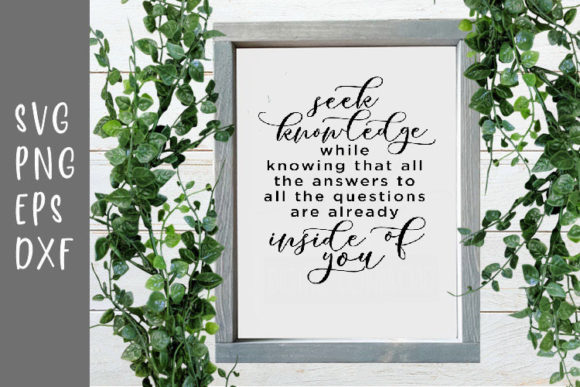
The first thing that strikes you about Seek Knowledge Quote is its thematic weight. It carries an academic, inspirational tone that feels both timeless and modern. Visually, the layout appears clean, suggesting a design that relies heavily on legibility. For embroidery, this is a double-edged sword. Clean lines are beautiful, but they leave little room for error. If the kerning is too tight, the threads will merge; if too loose, the phrase loses its cohesion.
The mood created by this design is one of quiet encouragement. It doesn't scream for attention with flashy embellishments but rather invites the viewer to pause. This makes it an excellent candidate for items meant for daily reflection or educational settings. However, as a reviewer, I immediately noted that the success of this design depends entirely on the execution of the stitch types. Without seeing the specific digitizing, I assume a combination of satin stitch for smaller elements and fill stitch for larger letters would be necessary to maintain clarity without creating excessive bulk.
Real-World Application: The Tote Bag Test
To truly understand how Seek Knowledge Quote performs, I mentally placed it into a common commercial scenario: a custom canvas tote bag. Tote bags are a staple for Etsy sellers and small shop products. They offer a large, flat surface area, which is ideal for text-based designs.
In this context, the design shines. The horizontal nature of a quote fits naturally across the center or bottom third of a tote. When stitched onto a heavy cotton canvas, the texture of the fabric provides a sturdy base that prevents puckering, assuming the correct stabilizer is used. The contrast between the thread and the natural beige of unbleached canvas would highlight the message effectively. For a craft business, this translates to a high-perceived value item. It moves beyond a simple bag into a statement piece that aligns with the "bookish" or "academic chic" aesthetic popular in boutique branding.
Another strong application is sweatshirt embroidery. Here, the design acts as a focal point on the chest or back. However, the stretchy nature of fleece or jersey knit requires careful handling. If the stitch density is too high, the garment will pucker around the letters, distorting the message. A skilled embroiderer would need to test this on scrap fabric first, adjusting tension and using a cut-away stabilizer to support the stretch.
Navigating Challenges: Where Caution is Needed
While Seek Knowledge Quote has strong potential, it is not a universal fit for every project. There are specific scenarios where this design could fail if not approached with technical precision.
- Small Hoop Sizes: If you attempt to shrink this design to fit a 4x4 inch hoop for a pocket logo or a small embroidered patch, legibility will suffer. Tiny serifs or thin strokes may break or become indistinguishable. Always check the minimum recommended size before resizing.
- Textured Fabrics: Stitching on towels or fluffy fleece can obscure fine details. The loops of the fabric can swallow thin running stitches. For these materials, a bolder version of the design or a higher contrast thread color is essential.
- Dark Fabrics: If you are stitching white or light-colored thread on black fabric, you must ensure the design does not rely on subtle shading. Solid fills work best here. Additionally, consider using an underlay stitch to prevent the dark fabric from showing through the lighter top threads.
- Curved Surfaces: Applying this to a cap is risky. The curvature of the front panel can distort horizontal text. Unless the design is specifically digitized for caps with appropriate pull compensation, it may look warped after stitching.
Enhancing Product Value and Brand Consistency
From a business perspective, the choice of design directly impacts customer trust and brand consistency. Seek Knowledge Quote lends itself well to niches such as education, libraries, book clubs, and graduation gifts. Using this design on a personalized gift like a library tote or a teacher’s apron adds a layer of thoughtfulness that generic clip art cannot match.
For commercial embroidery projects, consistency is key. If you are building a line of design assets for a specific client, ensure that the font style of this quote matches their existing branding. A mismatched typeface can look amateurish. Furthermore, the professionalism of the finished product relies on clean trim backs and proper hooping. A messy backside can compromise the comfort of wearable items like baby clothes or t-shirts, leading to negative reviews.
Practical Notes for the Embroiderer
Before you load this digital embroidery file into your machine, take a moment to review the technical specifics. Since the product description mentions it includes a ZIP folder suitable for cutting, printing, and sublimation, it is crucial to verify if actual embroidery formats (such as PES, DST, or JEF) are included. If the listing is primarily for graphics, you may need to digitize it yourself or confirm compatibility.
- Test on Scrap Fabric: Never stitch directly on your final garment. Use a similar fabric weight and type to test tension and density.
- Check Thread Contrast: Use high-contrast thread colors for the first test run. This helps you see any gaps or overlaps in the stitching clearly.
- Inspect Small Details: Zoom in on the preview. Are there tiny isolated stitches that might unravel? These should be removed or reinforced.
- Confirm Licensing: If you plan to sell finished items on Etsy or at craft fairs, ensure the license allows for commercial use of the stitched output. Some graphic licenses differ from embroidery-specific licenses.
- Mockup Testing: Create printable mockups or digital previews on both light and dark backgrounds to visualize the final appeal before committing to thread costs.
Final Verdict
Seek Knowledge Quote is a versatile and meaningful addition to a designer’s library, provided it is used with an understanding of embroidery constraints. It excels in applications where space allows for clear legibility, such as tote bags, aprons, and wall hangings. It requires more caution when applied to small, curved, or highly textured surfaces. For the handmade product creator, this design offers a pathway to creating items that resonate emotionally with buyers. By paying attention to stitch density, stabilizer choice, and fabric compatibility, you can transform this graphic into a high-quality finished product that stands out in a crowded market. Remember, the beauty of embroidery lies in the tactile quality of the thread; let the design breathe, and it will speak volumes.