Reviewing the Pinky Boy Quote Craft Design
As a designer who has spent countless hours digitizing and testing embroidery files, I approach every new Pinky Boy Quote Craft Design with a mix of curiosity and skepticism. We have all been there: you find a graphic that looks stunning on a screen, only to realize it turns into a tangled mess of thread once it hits the fabric. Today, I am breaking down this specific design from a practical, real-world perspective. This is not just about aesthetics; it is about how this asset performs in the hoop, how it translates to a finished product, and whether it deserves a spot in your craft business inventory.
First Impressions and Visual Personality
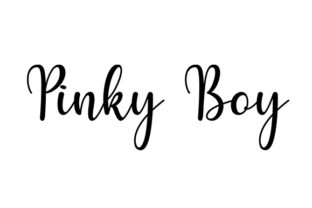
The first thing that strikes me about the Pinky Boy Quote Craft Design is its playful yet clean aesthetic. It carries a mood that is lighthearted and modern, making it an excellent candidate for projects targeting younger demographics or those looking for whimsical decor. The layout appears balanced, which is crucial for embroidery. Unlike overly complex illustrations that require thousands of stitches and hours of machine time, this design seems to prioritize clarity. For an Etsy seller or a small shop product creator, this balance between visual appeal and production efficiency is gold.
The theme suggests versatility. It does not scream "seasonal" in a way that limits its shelf life, nor is it so niche that it only appeals to a tiny fraction of buyers. Instead, it feels like a staple design asset that can be rotated through various collections. When I visualize this as part of the broader Crafts and Graphics market, it stands out as a reliable option for makers who want to offer something trendy without sacrificing quality.
Real-World Application: The Tote Bag Test
To truly evaluate a design, you have to imagine it on a physical item. Let’s consider a common scenario: a custom embroidered tote bag. Canvas is a forgiving fabric, but it has a distinct texture. I picture placing the Pinky Boy Quote Craft Design centrally on a natural cotton tote. Because the design likely relies on clear lines and readable text, it should hold up well against the weave of the canvas.
If this were a sweatshirt embroidery project, the stakes change slightly. Fleece and French terry are thicker and fluffier. Here, the detail level of the design becomes critical. If the quote includes fine serifs or tiny decorative elements, they might get lost in the pile of the fabric. However, assuming the design uses bold, open shapes, it would look fantastic on a crewneck sweatshirt, offering a high perceived value for a relatively low production cost. This is the kind of personalized gift that sells well during holiday seasons or for baby showers.
Versatility Across Product Lines
Beyond bags and sweaters, where else does this design shine? I see strong potential in baby embroidery. Think soft muslin swaddles or organic cotton onesies. The gentle vibe of the "Pinky Boy" theme aligns perfectly with nursery decor. It could also work beautifully as an embroidered patch, allowing customers to iron or sew it onto denim jackets or backpacks. Patches are a growing niche for commercial embroidery because they allow for bulk production off-machine, freeing up your hoops for other orders.
For holiday embroidery or special occasions, this design could be adapted with themed thread colors. A pastel palette for spring, or vibrant primaries for a birthday gift. The key is that the base design is solid enough to support these variations without losing its identity. As a digital embroidery file, its value lies in this adaptability. You are not just buying one image; you are buying a template for multiple revenue streams.
Technical Considerations and Stitching Clarity
Now, let’s talk about the technical side. Since you receive this design in SVG, Transparent PNG, and EPS formats, it is important to note that these are primarily vector and raster graphics. If you are using this for machine embroidery, you will need to ensure you have the proper digitized version or use software to convert these vectors into stitch files if they are not already provided in a native embroidery format. Always check the license terms regarding conversion.
When assessing stitch density, look at the closed shapes in the quote. Dense areas can cause puckering, especially on thin fabrics. If you are stitching this on a lightweight tea towel or a silk blend, you must use a high-quality cut-away stabilizer to support the thread weight. For textured fabrics, a satin stitch border might help define the edges, preventing the design from looking fuzzy. If the design utilizes a fill stitch for larger background elements, ensure the underlay is sufficient to prevent the fabric from showing through.
Thread colors play a massive role here. A design that looks great in black on white might disappear on navy blue. I always recommend creating mockups in both light and dark contexts. Test the contrast. If the design has intricate corners, verify that your machine can handle the direction changes without thread breaks. A running stitch outline might be cleaner for smaller details than a thick satin column.
Where to Use Caution
No design is perfect for every application. I would advise caution when using the Pinky Boy Quote Craft Design on highly stretchy fabrics like spandex or performance wear unless you have extensive experience with stabilizing knits. The tension can distort the text, making it unreadable. Similarly, avoid placing it on curved surfaces like caps unless the design has been specifically digitized for caps. Flat embroidery files often warp when applied to the steep curve of a baseball hat.
Also, consider the hoop size. If the design is large, ensure your machine’s maximum hoop capacity can accommodate it without re-hooping, which can lead to alignment issues. For small hoop sizes, you might need to scale the design down, but be careful not to make the text too small to stitch cleanly. Tiny lettering below 0.25 inches often becomes illegible in embroidery.
Enhancing Brand Consistency and Value
For handmade product sellers, consistency is key to building trust. Using a cohesive set of designs like this helps establish your brand’s visual language. When a customer sees the Pinky Boy Quote Craft Design on your Instagram, your website, and their final package, it reinforces professionalism. High-quality printable mockup images featuring this design can significantly boost click-through rates on platforms like Etsy.
Ultimately, the value of this design lies in its execution. It is not just about having the file; it is about how you present it. Pair it with premium threads, neat backing, and thoughtful packaging. Whether you are creating custom apparel for a local boutique or stocking up for a craft fair, this design offers a solid foundation. Just remember to test on scrap fabric first. Check your tension, inspect the back for excessive jumping stitches, and ensure the final look matches your brand’s standards.
In conclusion, the Pinky Boy Quote Craft Design is a versatile, appealing asset for the modern maker. It bridges the gap between digital convenience and tactile charm. By understanding its strengths and limitations, you can leverage it to create products that not only look good but stand the test of time and washing. Happy stitching.