Reviewing the "I Will Give Thanks" Quote for Embroidery
As a designer who has spent countless hours digitizing and stitching text-based motifs, I approach every new machine embroidery design with a mix of optimism and skepticism. Typography is deceptively difficult. It looks simple on a screen, but once the needle hits the fabric, poor kerning or inadequate stitch density can turn a beautiful sentiment into a tangled mess. Recently, I evaluated the I Will Give Thanks to the Lord Quote design to determine its viability for real-world applications. This isn’t just about whether the file opens correctly; it is about how this specific arrangement of words performs under the presser foot and how it resonates with the end consumer.
First Impressions: Mood and Visual Personality
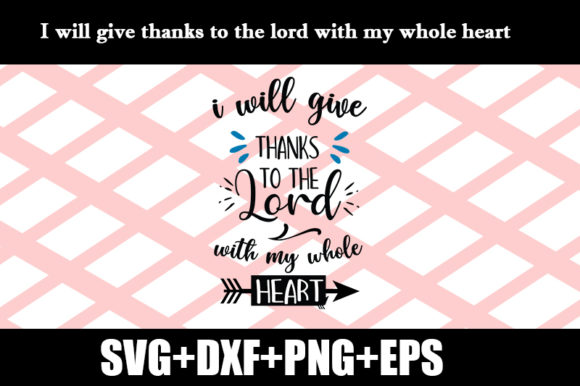
The immediate impression of the I Will Give Thanks to the Lord Quote is one of grounded sincerity. The layout suggests a classic, serif-inspired structure that prioritizes readability over ornate flourish. For those of us in the Crafts industry, particularly those focusing on faith-based or inspirational home decor, this balance is crucial. The design does not scream for attention with excessive decorative elements; instead, it relies on the strength of the message.
Visually, the quote feels stable. In my initial digital review, I looked for potential trouble spots where letters might merge or where thin strokes could disappear. The spacing appears generous enough to accommodate standard thread thickness without causing pull-up issues, provided the correct stabilizer is used. This visual personality makes it versatile. It fits naturally into modern farmhouse aesthetics, minimalist nursery decor, and traditional holiday gifting categories. It feels less like a trendy graphic and more like a timeless statement, which increases its shelf life as a design asset for small business owners.
Real-World Application: From Screen to Stitch
To truly test the value of this embroidery file, I mentally projected it onto several common substrates. Let’s consider a custom embroidered tote bag. Tote bags are often made from canvas or heavy cotton, which have a distinct texture. The I Will Give Thanks to the Lord Quote needs sufficient stitch density to bridge the weave of the fabric. If the design relies too heavily on single running stitch outlines, it may look sparse on canvas. However, if the digitizer has employed a combination of satin stitch for smaller elements and appropriate fill stitch patterns for larger letters, the result will be crisp and professional.
Another prime candidate for this design is a sweatshirt. Hoodies and crewnecks are staples for custom apparel shops. Here, the challenge shifts to fabric stretch and pile. A fleece interior can cause shifting if the hooping is not tight. I envision this quote placed centrally on the chest or subtly on the sleeve. The length of the phrase suggests it would work best as a two-line or three-line stack rather than a single long line, which helps maintain proportion on garment curves. For an Etsy seller, offering this on a high-quality hoodie creates a high-perceived-value handmade product that appeals to customers looking for meaningful, wearable faith expressions.
I also considered its use in baby embroidery. Soft onesies require delicate handling. If the stitch density is too high, the fabric will pucker, creating an uncomfortable stiff patch against a baby’s skin. Designers must check if the file includes a lighter version or if manual adjustment is needed to reduce density for knits. If executed correctly, this quote makes for a cherished baptism gift or a thoughtful present for new parents, adding emotional weight to the personalized gift market.
Navigating Technical Challenges and Fabric Constraints
While the design is strong, it is not without its technical demands. One must be cautious when applying this to dark fabrics. If the design relies on light-colored threads for contrast, ensuring full coverage is key to preventing the background fabric from peeking through. This is where the quality of the digital embroidery file matters. A well-digitized file will include underlay stitches that stabilize the fabric and create a base for the top stitching, ensuring vibrant thread colors pop against navy, black, or charcoal garments.
Curved surfaces, such as caps or hats, present another hurdle. The I Will Give Thanks to the Lord Quote likely has a horizontal orientation. Stitching long lines of text on a curved cap panel can lead to distortion at the edges. I recommend using a specialized cap frame and possibly breaking the design into smaller segments if the software allows, or carefully adjusting the pull compensation settings. Similarly, for an embroidered patch, the backing material plays a significant role. A cut-away stabilizer might be necessary to maintain the integrity of the letters during wear and washing.
Thin fabrics like silk or lightweight rayon require extreme care. Without a proper tear-away or wash-away stabilizer, the tension from the embroidery hoop can leave permanent marks or cause the fabric to gather around the stitches. Always test the design on scrap fabric first. This step is non-negotiable for professional results. Check the hoop size compatibility as well. Ensure the entire quote fits within your standard hoops without needing to re-hoop, which can lead to alignment errors.
Commercial Viability and Brand Consistency
For commercial embroidery professionals and small shop product creators, consistency is currency. The I Will Give Thanks to the Lord Quote offers a reliable template for building a cohesive collection. Imagine pairing this design with other scripture-based graphics or complementary floral motifs. This creates a branded look that customers recognize. When you sell a finished product like a kitchen towel or a pillow cover featuring this quote, the clarity of the stitching reflects directly on your brand’s professionalism.
Buyer engagement often hinges on the emotional connection to the product. Faith-based items are deeply personal. Customers are not just buying a towel; they are buying a reminder of gratitude. Therefore, the presentation matters. Use high-quality printable mockup images that show the texture of the thread and the drape of the fabric. Highlight the craftsmanship in your product descriptions. Mention that the design is stitched with precision, using durable threads that withstand frequent washing, which is essential for items like aprons and tea towels.
Practical Notes for the Designer
Before you load this design into your machine for a client order or inventory build, take these practical steps. First, verify the formats. The description notes you will receive SVG, DXF, EPS, and PNG files. Note that these are primarily vector and image formats, often used for cutting machines or printing. For machine embroidery, ensure you have the actual stitch files (such as PES, DST, or JEF) compatible with your specific machine. If these are not explicitly listed, contact the seller or check the download folder carefully. Using a conversion tool on a vector file rarely yields optimal stitch quality compared to a native embroidery file.
Second, inspect the details at 100% zoom. Look for overlapping stitches that could cause thread breaks. Third, consider the context of holiday embroidery. This quote is particularly relevant for Thanksgiving and Christmas seasons. Plan your production schedule accordingly, testing the design on seasonal colors like burnt orange, deep green, or cranberry red. Finally, always confirm licensing terms. If you plan to sell items featuring this design, ensure you have the commercial use rights. Protecting your craft business legally is as important as protecting it creatively.
In conclusion, the I Will Give Thanks to the Lord Quote is a solid addition to any designer’s library, provided it is treated with the technical respect it deserves. It bridges the gap between spiritual sentiment and tangible craft, offering a versatile option for apparel, home decor, and gifts. By paying attention to fabric choice, stabilization, and stitch quality, you can transform this digital graphic into a cherished physical object that speaks to both the eye and the heart.