Reviewing "That’s My Boy" Baseball Design for Embroidery
As a designer who spends half my life staring at digitized paths and the other half pulling bobbins out of tangled messes, I have learned that not every graphic translates well to thread. When I first opened the folder for Baseball Quote Design, That’s My Boy, my initial reaction was cautious optimism. The theme is evergreen—baseball moms and proud parents are a massive demographic in the handmade world—but the execution is what determines whether a design ends up on a best-selling sweatshirt or in the scrap bin. This review breaks down how this specific asset performs when moved from a digital screen to actual fabric, focusing on practical application for crafters, Etsy sellers, and apparel decorators.
First Impressions and Visual Personality
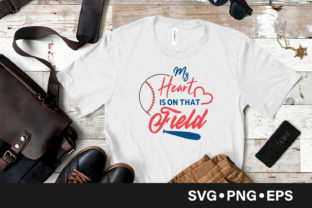
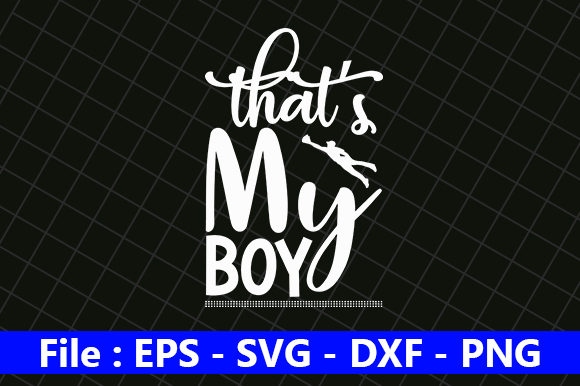
The mood of Baseball Quote Design, That’s My Boy is nostalgic, spirited, and undeniably personal. It captures that specific pride associated with youth sports, avoiding overly aggressive sports aesthetics in favor of something warmer and more family-oriented. Visually, the layout appears balanced, with a clear hierarchy between the illustrative elements and the typography. For an embroidery project, this balance is critical. If the text competes too heavily with the graphic, the stitch definition gets lost, especially on textured fabrics.
From a Graphics perspective, the lines look clean. However, as an embroidery designer, I am immediately looking at potential stitch traps. Are there tiny corners in the baseball stitching that might cause thread breaks? Is the lettering thick enough to hold a satin stitch or a narrow fill without looking spindly? The design seems to lean into bold, readable shapes, which is a smart move for machine embroidery. Delicate, hairline details rarely survive the wash cycle, so a robust visual personality is a strong starting point for a commercial embroidery file.
Real-World Application: The Custom Tote Bag Test
To truly evaluate this design, I imagined a common real-life scenario: a custom order for a local little league team mom. She wants a sturdy canvas tote bag to carry cleats, water bottles, and scorecards. This is where Baseball Quote Design, That’s My Boy shines. Canvas has a distinct weave, meaning fine details can get swallowed by the fabric texture. Because this design relies on strong silhouettes and clear lettering, it holds up remarkably well against the rougher surface of a tote bag.
I visualized using a contrasting thread color—perhaps a classic navy blue on natural canvas or a bright red on white. The result would be a high-impact tote bag design that reads clearly from a distance. For an Etsy seller, this type of product is a staple. It is functional, emotional, and giftable. The design’s ability to stand out on a larger surface area makes it ideal for items like aprons, pillow covers, or even beach towels, where the hoop size allows for a more expansive presentation of the artwork.
Versatility Across Products and Fabrics
Beyond totes, this design has significant potential in custom apparel. Imagine it embroidered on the chest of a heather grey sweatshirt. The softness of the fleece requires careful attention to stitch density. If the design is too dense, it will create a stiff, cardboard-like patch on the garment, which customers dislike. If it is too light, the fabric might pucker around the stitches. Since the source files include vector formats like EPS and SVG, a skilled digitizer can adjust the underlay and top stitching to suit the fabric weight.
For baby embroidery projects, such as a onesie or a burp cloth, scale is everything. You would need to resize the design significantly. Here, you must check the legibility of the text. If "That’s My Boy" becomes too small, the letters may merge. In such cases, simplifying the design or removing smaller decorative elements might be necessary. Conversely, for a holiday embroidery gift, such as a Christmas ornament cover or a festive pillow, the design adds a personal touch that mass-produced items lack. It transforms a generic item into a cherished personalized gift.
Considerations for Challenging Surfaces
While the design is versatile, it is not without its limitations. Curved surfaces, like caps, present a unique challenge. Embroidering on a structured cap requires a different approach than flat fabric. The design must be centered perfectly, and the stitch direction should follow the curve of the crown to prevent distortion. If you are attempting this on a unstructured dad hat, be wary of puckering. Using a heavy-cut stabilizer is non-negotiable here.
Dark fabrics also require strategic planning. If you are stitching this on a black hoodie, you cannot rely on the fabric to provide contrast. You will need bright, vibrant thread colors to make the design pop. Additionally, consider using a topping if the fabric is fuzzy, like fleece or terry cloth, to ensure the stitches sit on top rather than sinking in. This preserves the clarity of the quote and the baseball imagery.
Technical Notes for the Professional Maker
Before loading this into your machine, there are several practical steps to ensure a professional finished product. First, always test the design on a scrap piece of the same fabric you intend to use. This allows you to check for registration issues, thread breaks, and overall aesthetic appeal. Pay close attention to the corners of the letters and the edges of the baseball. Sharp corners in digital files often translate to bulky knots in embroidery if not properly digitized.
Since the product description lists EPS, SVG, PNG, and DXF files, it is important to note that these are primarily graphic formats, not native machine embroidery formats like PES or DST. This means you will likely need to digitize the design yourself or hire a digitizer to convert these graphics into a stitch file. This is a crucial distinction for craft business owners. Having the vector files (EPS/SVG) is a huge advantage because it allows for precise scaling and editing before digitization. You can adjust the spacing, modify the font, or tweak the graphic elements to better suit your specific hoop size constraints.
When digitizing, consider the stitch types. A satin stitch works beautifully for the text if the letters are wide enough, providing a smooth, glossy finish. For the baseball itself, a combination of fill stitch for the main body and running stitch for the seams can create depth and texture. Avoid excessive applique design techniques unless you are specifically aiming for that layered look, as it adds complexity and time to the production process.
Commercial Value and Brand Consistency
For small shop owners and commercial embroidery professionals, consistency is key. Using a design like Baseball Quote Design, That’s My Boy helps build a cohesive brand identity if you specialize in family or sports-themed goods. It signals to customers that you understand their passions. High-quality presentation, including clear printable mockup images on your website, can significantly boost buyer engagement. Show the design on various products—a mug, a shirt, a bag—to help customers visualize the end result.
Ultimately, the value of this design lies in its emotional resonance. It is not just a picture of a baseball; it is a statement of pride. When executed with proper technique, appropriate stabilizer, and high-quality thread, it elevates a simple item into a keepsake. Whether you are creating a small shop product for a local fair or fulfilling a large order for a team, taking the time to refine the digitization and test the stitch-out will pay off in customer satisfaction and repeat business.
In conclusion, Baseball Quote Design, That’s My Boy is a strong candidate for your next project, provided you respect the technical requirements of embroidery. It offers flexibility across various Crafts categories and appeals to a broad audience. By focusing on stitch clarity, fabric compatibility, and thoughtful presentation, you can turn this digital asset into a successful, tangible product that customers will love to wear, use, and gift.