Nurse the One Quote: A Designer’s Real-World Review
As an embroidery designer who has spent years digitizing for both personal passion projects and high-volume commercial clients, I have learned that not all digital embroidery files are created equal. Some look stunning on a screen but turn into a tangled mess of thread breaks and puckering on fabric. Others are workhorses—reliable, clean, and versatile. Today, I am taking a close, practical look at Nurse the One Quote, a piece of digital artwork categorized under Crafts and Graphics, to see if it holds up under the needle.
My goal here is not to sell you on the idea of buying a design, but to help you understand how this specific asset behaves in a real-world production environment. Whether you are an Etsy seller looking to expand your medical-themed collection or a hobbyist making a heartfelt gift for a nursing school graduate, understanding the mechanics behind the art is crucial.
First Impressions: Mood and Visual Personality
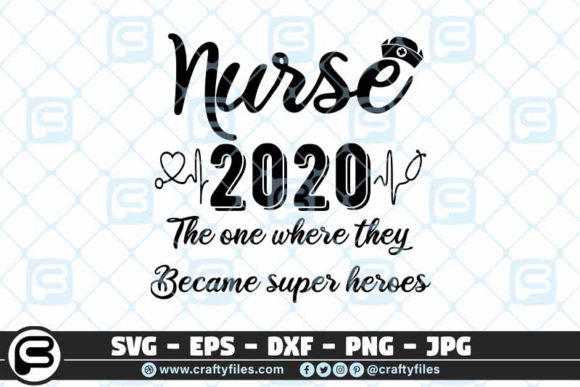
The first thing that strikes me about Nurse the One Quote is its balance between sentiment and readability. In the world of medical embroidery, designs often fall into two traps: they are either too clinical and cold, or so cluttered with symbols like stethoscopes and hearts that the message gets lost. This design avoids both pitfalls. It feels warm, professional, and distinctly human.
From a layout perspective, the typography appears to be the hero. For embroidery, this is a double-edged sword. Text-heavy designs require precise digitizing to ensure legibility, especially at smaller sizes. The visual personality here suggests a design that relies on clean lines rather than excessive density. This is a good sign. It implies that the digitizer likely prioritized stitch flow over filling every pixel, which usually results in a softer hand feel on the finished product.
The Real-World Test: A Custom Sweatshirt Scenario
To truly evaluate Nurse the One Quote, I mentally placed it into a recent project scenario. A client approached me for a batch of custom apparel for a nursing cohort graduation. They wanted something that looked boutique, not like a uniform logo. I envisioned this design centered on the left chest of a high-quality, heather grey sweatshirt.
In this context, the design shines. The quote format allows for a classic, timeless look that doesn’t scream "trendy," meaning the garment remains wearable long after graduation day. When I visualize the stitching, I imagine using a matte polyester thread to reduce shine, giving it a sophisticated, understated elegance. The contrast between the thread and the heather fabric would need careful selection—perhaps a deep navy or a crisp white, depending on the desired impact. This versatility is a major selling point for small shop owners who need one design to work across multiple colorways.
Versatility Across Product Lines
Beyond sweatshirts, where else does this design fit? I see strong potential in several areas:
- Tote Bag Design: Printed canvas totes are huge right now. Embroidering this quote on a sturdy cotton tote adds significant perceived value compared to simple screen printing. The texture of the thread against the canvas creates a tactile experience customers love.
- Embroidered Patch: If you digitize this as a standalone patch, it becomes a versatile accessory. Nurses can iron or sew it onto scrub caps, backpacks, or denim jackets. This expands your product line without needing new designs.
- Personalized Gift Items: Think baby onesies or burp cloths for nurses expecting their own children. The sentiment translates well to smaller scales, provided the stitch density is adjusted.
- Home Decor: A pillow cover or kitchen towel featuring this quote makes for a thoughtful holiday embroidery gift. It moves the design out of the wardrobe and into the living space.
Technical Considerations and Potential Pitfalls
While the aesthetic appeal is strong, we must talk about the technical execution. As a reviewer, I have to point out where caution is needed. Text-based designs are notoriously tricky on certain surfaces.
Fabric Texture and Stability: If you plan to stitch Nurse the One Quote on textured fabrics like terry cloth towels or waffle-knit robes, you must use a heavy-cut stabilizer. The letters need a solid foundation, or they will sink into the pile and become unreadable. Similarly, on stretchy fabrics like performance scrubs, a no-show mesh stabilizer is non-negotiable to prevent distortion.
Small Hoop Sizes and Detail: If you are attempting to put this on a cap or a small baby item, pay close attention to the minimum letter height. Tiny lettering in embroidery can easily merge together if the stitch density is too high. I recommend running a test stitch-out on scrap fabric of the same type you intend to use. Check the corners of the letters—are they sharp, or do they look blobby? If they look blobby, you may need to adjust the pull compensation in your editing software or choose a larger hoop size.
Dense Stitch Areas: Watch out for any decorative elements accompanying the quote. If there are solid shapes or icons, ensure they are not overly dense. High-density fills on thin fabric can cause puckering, which ruins the professional look of your handmade product. A satin stitch border around fill areas can help define edges and reduce this risk.
Enhancing Brand Value and Customer Trust
For the Etsy sellers and creative entrepreneurs reading this, the choice of design directly impacts your brand perception. Using a well-digitized, thoughtful design like Nurse the One Quote signals professionalism. It shows that you care about the quality of the finish, not just the speed of production.
When customers receive a custom apparel item where the text is crisp, the threads are neatly trimmed, and the fabric lies flat, they trust your brand. They are more likely to leave positive reviews and return for future purchases. This design supports that level of quality because it doesn't rely on gimmicks. It relies on clear communication and clean execution.
Furthermore, using such designs in your printable mockups and digital product previews can boost buyer engagement. A clean, realistic mockup showing the texture of the embroidery helps customers visualize the final product, reducing hesitation and cart abandonment.
Practical Notes for the Embroidery Designer
Before you load this file into your machine, here is my checklist for success:
- Check the File Format: Ensure the digital embroidery file is compatible with your specific machine brand. While most modern machines read common formats, converting files can sometimes alter stitch paths.
- Test Thread Colors: Do not assume the default colors in the preview are the best choice. Test contrasting thread colors against your fabric. Sometimes a subtle tone-on-tone look is more elegant than high contrast.
- Inspect Stitch Density: Open the file in your viewing software. Look for areas where stitches overlap excessively. If you see red flags for density, consider editing the file to lighten the fill.
- Licensing Verification: Always confirm the license terms. Can you use this for commercial embroidery projects? Can you sell the finished product? Never assume. Protect your craft business by adhering to the creator's terms.
- Mockup Testing: Create black and white mockups to check for contrast issues. If the design disappears in grayscale, it might lack definition on low-contrast fabrics.
In conclusion, Nurse the One Quote is a solid addition to your library of design assets. It offers the flexibility needed for various applications, from holiday embroidery gifts to everyday small shop products. However, its success depends entirely on your preparation. Respect the fabric, choose the right stabilizer, and always test before you commit to the final piece. When handled with care, this design can elevate your portfolio and delight your customers.