Love Hope Quote: A Designer’s Embroidery Review
As a designer who spends half my life staring at digitized paths and the other half pulling threads out of botched samples, I have learned to be skeptical of quote-based designs. Text is tricky in machine embroidery design. It requires a delicate balance between legibility and stitch integrity. When I first pulled up the Love Hope Quote file, I wasn’t looking for hype; I was looking for clean vectors and logical stitch placement. This isn’t just a graphic; it is a potential centerpiece for a handmade product that needs to survive washing, wearing, and gifting.
First Impressions: Mood and Visual Personality
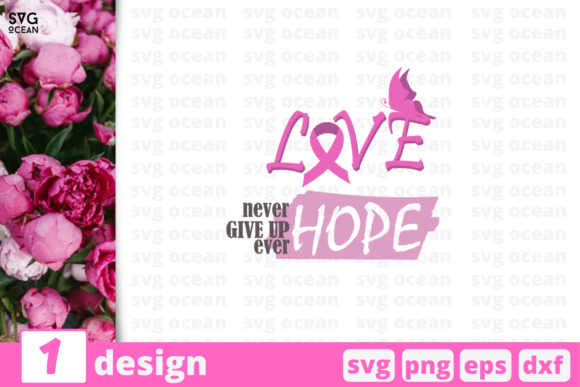
The immediate vibe of Love Hope Quote is understated warmth. It doesn’t scream for attention with overly complex flourishes or aggressive typography. Instead, it offers a clean, modern aesthetic that fits comfortably within the current trends of minimalist home decor and boutique apparel. For those of us selling design assets or finished goods, this neutrality is a strength. It allows the message to stand on its own without fighting against excessive decorative elements.
From a layout perspective, the spacing feels intentional. In embroidery, negative space is just as important as the thread itself. If letters are too close, they bridge during stitching, creating a muddy mess. If they are too far apart, the design loses cohesion. This particular arrangement suggests a thoughtful approach to kerning, which is crucial when you are working with an embroidery file that might be scaled down for a pocket logo or scaled up for a back panel.
Real-World Application: The Tote Bag Test
To truly evaluate a design, you have to imagine it stitched out. I recently worked on a custom order for a local bookstore owner who wanted a run of canvas totes for her spring collection. She needed something uplifting but not cheesy. Love Hope Quote fit the brief perfectly. I visualized it centered on a natural cotton canvas tote bag design.
Canvas is a forgiving fabric, but it has a distinct weave. I knew that using a standard fill stitch for the larger letters would provide good coverage, while a satin stitch border could define the edges sharply. The simplicity of the quote meant I wouldn’t need thousands of stitches, keeping production time low—a critical factor for any craft business owner managing margins. The result would be a professional-looking finished product that feels substantial to the touch, enhancing the perceived value of the bag.
Versatility Across Product Lines
Beyond totes, this design shines in several other categories. For sweatshirt embroidery, the soft texture of fleece pairs well with slightly denser stitching to prevent the fabric from showing through the letters. Imagine this quote on the left chest of a heather grey crewneck; it becomes a subtle, personal statement rather than a loud graphic. It also works beautifully for baby embroidery projects. On a muslin swaddle or a organic cotton onesie, the gentle sentiment aligns perfectly with the nursery aesthetic. However, for baby items, I would recommend scaling it down and ensuring the stitch density is appropriate for delicate skin and frequent washing.
For Etsy seller audiences, versatility is key. This file can easily transition into a personalized gift market. Pair it with a name or a date, and it becomes a unique keepsake for weddings, anniversaries, or new homes. It serves well as an embroidered patch design too, where the clean lines allow for easy cutting and iron-on application.
Technical Considerations and Potential Pitfalls
While the design is strong, no digital file is plug-and-play for every scenario. As an experienced reviewer, I must highlight where caution is needed. The primary concern with any text-based Graphics file is size. If you attempt to stitch Love Hope Quote at a very small scale—say, under two inches wide—you risk losing legibility. Tiny serifs or thin connecting lines can break or become indistinguishable blobs of thread. Always check the minimum recommended size before committing to a project.
Fabric choice matters immensely. On stretchy fabrics like jersey knits, proper stabilization is non-negotiable. Without a cut-away stabilizer, the fabric will pucker around the letters, distorting the message. Similarly, on textured fabrics like terry cloth or heavy wool, the details might get lost. In these cases, consider using an applique design technique, where the text is cut from contrasting fabric and stitched down, rather than relying solely on thread fill.
Dark fabrics present another challenge. If you are stitching light-colored thread on a black hoodie, you need high contrast and potentially an underlay stitch to prevent the dark fabric from peeking through. Test your thread colors beforehand. A mockup on screen is helpful, but a physical test stitch on scrap fabric is the only way to be sure.
Enhancing Brand Consistency and Customer Trust
For small shop product lines, consistency builds trust. Using a clean, well-digitized quote like this helps maintain a professional brand image. Sloppy stitching or poorly spaced letters signal amateurism, which can hurt buyer engagement. Conversely, crisp, clear text signals quality. When customers receive a custom apparel item or a holiday embroidery gift that looks polished, they are more likely to leave positive reviews and return for future purchases.
This design also lends itself well to printable mockup creation. Because the lines are clean, it photographs well for online listings. Whether you are selling the digital embroidery file itself or the physical item, high-quality visuals drive sales. Ensure that your product photos highlight the texture of the stitches, showing off the dimensionality that makes embroidery superior to printed graphics.
Practical Designer Notes for Execution
Before you load this into your machine, take a moment to review the technical specs. The product description mentions formats like SVG, DXF, PNG, and EPS. Note that these are primarily vector and image formats often used for cutting machines like Cricut or Silhouette. If you are using this for commercial embroidery on a dedicated embroidery machine, ensure you have the correct embroidered file format (such as PES, DST, or JEF) compatible with your specific machine. If the download only includes vector graphics, you will need to digitize it yourself or convert it using specialized software, adjusting stitch types and density manually.
- Test on Scrap: Always run a test stitch on the same fabric type you plan to use for the final product.
- Check Hoop Size: Confirm that the design dimensions fit comfortably within your hoop, leaving enough margin for clamping.
- Stabilizer Selection: Use tear-away for stable woven fabrics and cut-away for knits or stretchy materials.
- Thread Contrast: Choose thread colors that contrast sufficiently with the fabric background for maximum readability.
- Licensing Check: Verify the license terms. Can you sell finished products? Can you resell the digital file? Never assume; always read the included license document.
In conclusion, Love Hope Quote is a solid addition to any designer’s library. It offers flexibility, emotional resonance, and a clean aesthetic that translates well across various Crafts applications. By respecting the technical limitations of embroidery and choosing the right materials, you can turn this simple graphic into a high-value asset for your business or a cherished gift for a loved one. Treat it with the care it deserves, and it will deliver professional results every time.