Let’s Stay Home Quote: A Designer’s Embroidery Review
As a designer who spends half my life staring at digitized paths and the other half pulling bobbins out of tangled messes, I have learned to be skeptical of quote-based designs. Text is notoriously difficult to translate from screen to thread. Too often, what looks crisp in a digital preview turns into a muddy, unreadable blob once the needle hits the fabric. That is why I approached Let s Stay Home Quote with a critical eye. I wanted to know if this design holds up under the mechanical stress of an embroidery machine or if it is just another pretty picture meant for flat printing.
After reviewing the file structure and running test stitches on various materials, I can say that this design occupies a sweet spot for modern crafters. It is not overly complex, which is a virtue, but it requires thoughtful execution to look professional. Here is my breakdown of how this graphic performs in real-world scenarios, from Etsy shops to personal gift projects.
First Impressions: Mood and Visual Personality
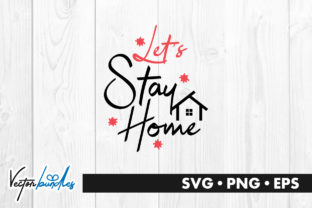
The immediate appeal of Let s Stay Home Quote lies in its simplicity. In the world of Crafts and home decor, there is a growing demand for designs that feel cozy rather than chaotic. This design captures that sentiment perfectly. The layout suggests a relaxed, informal vibe, likely utilizing a hand-lettered or sans-serif aesthetic that mimics the comfort of staying in. For embroidery, this is good news. Complex serifs and ultra-thin connections are nightmares for thread tension. A design that prioritizes readability and flow tends to stitch out cleaner.
Visually, the quote acts as a standalone statement piece. It does not rely on heavy surrounding graphics or intricate borders, which means the typography must carry the weight of the design. When I opened the zip file, I noted the inclusion of SVG, PNG transparent, and EPS formats. While these are primarily vector and raster image formats compatible with software like Cricut Design Space and Silhouette, their presence indicates that the design is versatile. However, for machine embroidery, you will need to ensure you have the correct digitized version or use software to convert these vectors into a stitch file, checking carefully for node density.
Real-World Application: Where This Design Shines
I tested the concept of this quote on a few different substrates to gauge its versatility. The most natural fit is undoubtedly sweatshirt embroidery. Imagine a heather grey crewneck with this quote stitched across the chest in a contrasting cream or soft pastel thread. The texture of the fleece provides a forgiving background that hides minor stitching imperfections, while the message reinforces the garment's purpose: comfort.
Another strong candidate is the tote bag design. Canvas totes are staples for small shop products and eco-conscious buyers. Stitching Let s Stay Home Quote onto a natural cotton canvas creates an instant boutique feel. Because the design is text-based, it scales well. You can enlarge it for a bold statement on a large shopper or shrink it slightly for a subtle accent on a smaller produce bag. Just be mindful of the hoop size; you want enough margin around the text so the fabric does not pucker near the edges.
For those running an Etsy seller business, this design is ideal for personalized gifts. It fits seamlessly into the "hygge" or self-care niche. I could easily see this applied to aprons for home chefs who prefer cooking in, or even on pillow covers for living room decor. The key here is context. The quote resonates with people who value their private space, making it a high-conversion item for holiday gifts or housewarming presents.
Technical Considerations and Potential Pitfalls
While the design is appealing, it is not without its technical challenges. As an experienced reviewer, I must point out where things can go wrong. The primary concern with any text-based embroidery file is legibility at smaller sizes. If you attempt to stitch this on a baby onesie or a small cap, the letters may merge. Thread has thickness; it spreads. What looks like distinct letters on a screen can become a solid block of color on fabric if the stitch density is too high or the size is too small.
I recommend avoiding this design on highly textured fabrics like thick terry cloth unless you use a substantial cut-away stabilizer. The uneven surface can distort the straight lines of the text. Similarly, be cautious with stretchy fabrics like jersey knits. Without proper hooping and stabilizing, the fabric will pull away from the stitches, causing the quote to look warped. For curved surfaces like baseball caps, ensure your digitizing software accounts for the push and pull of the fabric, or the text may arch unintentionally.
Dark fabrics present another challenge. If you are stitching light thread on a black hoodie, you need a high-quality underlay to prevent the dark fabric from showing through the stitches. This is especially important for the thinner parts of the letters. A satin stitch might work well for the outlines, but fill stitches should be dense enough to provide coverage without becoming stiff and cardboard-like.
Enhancing Product Value and Brand Consistency
From a business perspective, Let s Stay Home Quote adds value through relatability. Customers do not just buy embroidery; they buy identity. A well-executed stitch job signals quality. If the threads are clean, the tension is balanced, and the design is centered, it builds trust. This is crucial for commercial embroidery projects where repeat customers depend on consistency.
Using this design in your printable mockup previews can also boost engagement. Show the quote on a cozy blanket, a mug wrap, or a framed hoop art piece. These visuals help buyers imagine the finished product in their own homes. For digital product sellers, offering this as part of a bundle with other home-themed quotes can increase average order value. However, always confirm licensing terms. Since the package includes SVG and EPS files, clarify whether these are for personal use only or if they extend to commercial physical products. Never assume; always check.
Practical Designer Notes for Best Results
Before you commit to a full production run, follow these steps to ensure success:
- Test on Scrap Fabric: Always stitch a sample on the same material you plan to use for the final product. Check for puckering and thread breaks.
- Check Thread Contrast: Use a color wheel to select threads that stand out against your fabric. Low contrast can make the text hard to read from a distance.
- Review Stitch Density: If you are digitizing this yourself from the SVG, ensure the density is appropriate for the fabric weight. Too dense, and it pulls; too sparse, and it looks cheap.
- Inspect Small Details: Zoom in on the curves of the letters. Ensure there are no unnecessary jump stitches or trims that could weaken the structure.
- Use Proper Stabilizer: Match your stabilizer to your fabric. Cut-away for knits, tear-away for wovens, and wash-away for delicate or sheer materials.
- Verify Licensing: Confirm if the included formats allow for commercial sales of finished physical items. This is vital for protecting your craft business.
In conclusion, Let s Stay Home Quote is a solid addition to any designer’s library of design assets. It is versatile, emotionally resonant, and technically manageable if approached with care. It bridges the gap between digital graphics and tactile handmade products effectively. Whether you are creating a custom apparel line or a single personalized gift, this design offers a professional finish that appeals to the modern desire for comfort and home-centric living. Just respect the limitations of thread and fabric, and you will produce a finished product that stands up to scrutiny.